Items filtered by date: November 2024
Gout Is a Metabolic Disorder
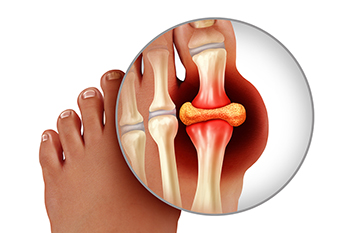
Gout is a metabolic disorder that occurs when excess uric acid builds up in the bloodstream and forms sharp crystals in the joints. During an acute episode or flare-up, the affected joint, often the big toe, becomes intensely painful, swollen, and red. The pain typically begins suddenly, often at night, and can be excruciating. Inflammation and tenderness in the joint make movement difficult. The primary cause of gout is the overproduction or underexcretion of uric acid, which can result from a diet rich in purine-heavy foods, obesity, dehydration, or certain medications. Other contributing factors include a family history of gout or underlying health conditions like high blood pressure and kidney disease. If you have had one or more gout attacks, it is strongly suggested that you are under the care of a podiatrist who can help you monitor this painful condition.
Gout is a foot condition that requires certain treatment and care. If you are seeking treatment, contact one of our podiatrists from Ankle and Foot Centers of Missouri, P.C.. Our doctors will treat your foot and ankle needs.
What Is Gout?
Gout is a type of arthritis caused by a buildup of uric acid in the bloodstream. It often develops in the foot, especially the big toe area, although it can manifest in other parts of the body as well. Gout can make walking and standing very painful and is especially common in diabetics and the obese.
People typically get gout because of a poor diet. Genetic predisposition is also a factor. The children of parents who have had gout frequently have a chance of developing it themselves.
Gout can easily be identified by redness and inflammation of the big toe and the surrounding areas of the foot. Other symptoms include extreme fatigue, joint pain, and running high fevers. Sometimes corticosteroid drugs can be prescribed to treat gout, but the best way to combat this disease is to get more exercise and eat a better diet.
If you have any questions please feel free to contact our offices located in the Greater Kansas City area . We offer the newest diagnostic and treatment technologies for all your foot and ankle needs.
Heel Pain in the Morning?

Heel pain can negatively affect your day-to-day life. Simple activities like walking can become incredibly uncomfortable or painful due to heel pain.
Don’t live with heel pain and get treated.
Causes of Heel Pain

Heel pain often results from various mechanical causes. The location of the heel pain can help determine its source, with plantar fasciitis being one of the most frequent causes. This condition leads to pain on the bottom of the heel, often felt during the first steps in the morning, or after prolonged rest. Other causes of plantar heel pain include stress fractures, often becoming worse with increased activity, and nerve entrapment, which brings sensations like tingling or burning. Conditions like heel pad syndrome can lead to deep, bruise-like pain in the middle of the heel. Posterior heel pain might be related to Achilles tendinopathy or a Haglund deformity, which causes inflammation around the Achilles tendon. Sever’s disease is common among children, as a result of an inflamed growth plate at the back of the heel. A podiatrist can perform a thorough assessment, including physical exams and imaging if needed, to identify the cause and develop a treatment plan. If you are experiencing heel pain, it is suggested that you schedule an appointment with a podiatrist for an exam and treatment.
Many people suffer from bouts of heel pain. For more information, contact one of our podiatrists of Ankle and Foot Centers of Missouri, P.C.. Our doctors can provide the care you need to keep you pain-free and on your feet.
Causes of Heel Pain
Heel pain is often associated with plantar fasciitis. The plantar fascia is a band of tissues that extends along the bottom of the foot. A rip or tear in this ligament can cause inflammation of the tissue.
Achilles tendonitis is another cause of heel pain. Inflammation of the Achilles tendon will cause pain from fractures and muscle tearing. Lack of flexibility is also another symptom.
Heel spurs are another cause of pain. When the tissues of the plantar fascia undergo a great deal of stress, it can lead to ligament separation from the heel bone, causing heel spurs.
Why Might Heel Pain Occur?
- Wearing ill-fitting shoes
- Wearing non-supportive shoes
- Weight change
- Excessive running
Treatments
Heel pain should be treated as soon as possible for immediate results. Keeping your feet in a stress-free environment will help. If you suffer from Achilles tendonitis or plantar fasciitis, applying ice will reduce the swelling. Stretching before an exercise like running will help the muscles. Using all these tips will help make heel pain a condition of the past.
If you have any questions please contact our offices located in the Greater Kansas City area . We offer the newest diagnostic and treatment technologies for all your foot and ankle needs.
Causes and Treatment of Heel Spurs
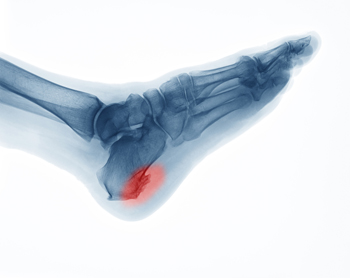
Heel spurs are bony protrusions that form on the bottom of the heel bone. They develop gradually from ongoing strain on the heel area, including repetitive stress activities like running or long periods of standing. The stress on the heel can lead to small tears in the tissues that attach to the heel, prompting the body to build extra bone as a defense mechanism. This becomes a heel spur. While not always painful, heel spurs can cause discomfort, especially when excessive pressure is placed on the heel. People with flat feet or high arches may be more prone to developing heel spurs. A podiatrist can diagnose heel spurs by conducting a physical examination and using imaging techniques like X-rays. Treatment usually involves non-surgical options, such as rest, wearing supportive footwear, or orthotic inserts designed to alleviate pressure on the heel. Surgery is only considered when symptoms persist despite these conservative treatments. If you believe you may have developed a heel spur, it is suggested that you schedule an appointment with a podiatrist for an exam and treatment.
Heel spurs can be incredibly painful and sometimes may make you unable to participate in physical activities. To get medical care for your heel spurs, contact one of our podiatrists from Ankle and Foot Centers of Missouri, P.C.. Our doctors will do everything possible to treat your condition.
Heels Spurs
Heel spurs are formed by calcium deposits on the back of the foot where the heel is. This can also be caused by small fragments of bone breaking off one section of the foot, attaching onto the back of the foot. Heel spurs can also be bone growth on the back of the foot and may grow in the direction of the arch of the foot.
Older individuals usually suffer from heel spurs and pain sometimes intensifies with age. One of the main condition's spurs are related to is plantar fasciitis.
Pain
The pain associated with spurs is often because of weight placed on the feet. When someone is walking, their entire weight is concentrated on the feet. Bone spurs then have the tendency to affect other bones and tissues around the foot. As the pain continues, the feet will become tender and sensitive over time.
Treatments
There are many ways to treat heel spurs. If one is suffering from heel spurs in conjunction with pain, there are several methods for healing. Medication, surgery, and herbal care are some options.
If you have any questions feel free to contact our offices located in the Greater Kansas City area . We offer the latest in diagnostic and treatment technology to meet your needs.
Surgical Methods for Ingrown Toenails
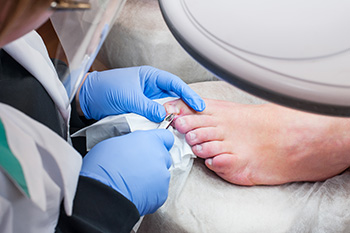
Surgery for ingrown toenails is often necessary when conservative treatments fail to alleviate the pain and discomfort caused by the condition. Ingrown toenails occur when the edge of a toenail grows into the surrounding skin, typically affecting the big toe. This can lead to redness, swelling, severe pain and sometimes infection. A podiatrist can assess the severity of your ingrown toenail and may recommend a surgical procedure to remove part or all of the affected nail. In some cases, a portion of the nail’s matrix, or root, may also be removed to prevent regrowth. The procedure, which is usually done under local anesthesia, helps reduce the chances of recurrence. After surgery, patients are given guidelines for post-operative care to ensure proper healing and reduce the risk of infection. If you have developed a severely ingrown toenail, it is suggested that you promptly schedule an appointment with a podiatrist to see if nail removal is right for you.
Foot surgery is sometimes necessary to treat a foot ailment. To learn more, contact one of our podiatrists of Ankle and Foot Centers of Missouri, P.C.. Our doctors will assist you with all of your foot and ankle needs.
When Is Surgery Necessary?
Foot and ankle surgery is generally reserved for cases in which less invasive, conservative procedures have failed to alleviate the problem. Some of the cases in which surgery may be necessary include:
- Removing foot deformities like bunions and bone spurs
- Severe arthritis that has caused bone issues
- Cosmetic reconstruction
What Types of Surgery Are There?
The type of surgery you receive will depend on the nature of the problem you have. Some of the possible surgeries include:
- Bunionectomy for painful bunions
- Surgical fusion for realignment of bones
- Neuropathy decompression surgery to treat nerve damage
Benefits of Surgery
Although surgery is usually a last resort, it can provide more complete pain relief compared to non-surgical methods and may allow you to finally resume full activity.
Surgical techniques have also become increasingly sophisticated. Techniques like endoscopic surgery allow for smaller incisions and faster recovery times.
If you have any questions please feel free to contact our offices located in the Greater Kansas City area . We offer the newest diagnostic and treatment technologies for all your foot and ankle needs.
