
Preventing Workplace Falls

Falling in the workplace can result in serious foot injuries that can lead to long-term pain and mobility issues. When a person falls, the feet are often the first point of contact, which can cause sprains, fractures, or even damage to the soft tissues. The impact from a fall may also lead to bruising or swelling, making it difficult to walk or stand. To prevent such injuries, it is important to maintain a clean and clutter-free work environment, ensuring that floors are free from hazards, such as wet spots, cords, or obstacles. Proper footwear with adequate support and slip-resistant soles helps to reduce the risk of falls. Sustaining a foot or ankle injury from falling during the workday may result in a loss of wages due to time off. If this has happened to you, it is suggested that you consult a podiatrist who can treat this type of condition and offer effective fall prevention techniques.

Preventing falls among the elderly is very important. If you are older and have fallen or fear that you are prone to falling, consult with one of our podiatrists from Ankle and Foot Centers of Missouri, P.C.. Our doctors will assess your condition and provide you with quality advice and care.

Every 11 seconds, an elderly American is being treated in an emergency room for a fall related injury. Falls are the leading cause of head and hip injuries for those 65 and older. Due to decreases in strength, balance, senses, and lack of awareness, elderly persons are very susceptible to falling. Thankfully, there are a number of things older persons can do to prevent falls.

How to Prevent Falls

Some effective methods that older persons can do to prevent falls include:

  • Enrolling in strength and balance exercise program to increase balance and strength
  • Periodically having your sight and hearing checked
  • Discuss any medications you have with a doctor to see if it increases the risk of falling
  • Clearing the house of falling hazards and installing devices like grab bars and railings
  • Utilizing a walker or cane
  • Wearing shoes that provide good support and cushioning
  • Talking to family members about falling and increasing awareness

Falling can be a traumatic and embarrassing experience for elderly persons; this can make them less willing to leave the house, and less willing to talk to someone about their fears of falling. Doing such things, however, will increase the likelihood of tripping or losing one’s balance. Knowing the causes of falling and how to prevent them is the best way to mitigate the risk of serious injury.  

If you have any questions, please feel free to contact our offices located in Gladstone, MO, Albany, MO, Leavenworth, KS, Hiawatha, KS, and Liberty, MO . We offer the newest diagnostic and treatment technologies for all your foot care needs.

Read more about Falls Prevention

All You Need to Know About Poor Circulation

Common symptoms that are linked to poor circulation can include cold feet, tingling or burning sensations, and swollen feet. There are several reasons why this condition may develop. These can include plaque buildup in the arteries, diabetes, or if there is an existing blood clot. Additionally, patients who smoke, stand for extended periods of time throughout the day, or who are obese may be at risk of developing poor circulation. A diagnosis may consist of testing the blood for elevated glucose levels which may indicate diabetes, as well as performing an ultrasound that can examine your blood vessels. Patients may find moderate relief when compression stockings are worn, which may help to provide a comfortable level of support. If you are suffering from poor circulation, it is advised that you speak to a podiatrist who can offer you proper treatment techniques.

Poor circulation is a serious condition and needs immediate medical attention. If you have any concerns with poor circulation in your feet contact one of our podiatrists of Ankle and Foot Centers of Missouri, P.C.. Our doctors will treat your foot and ankle needs.

Poor Circulation in the Feet

Poor blood circulation in the feet and legs is can be caused by peripheral artery disease (PAD), which is the result of a buildup of plaque in the arteries.

Plaque buildup or atherosclerosis results from excess calcium and cholesterol in the bloodstream. This can restrict the amount of blood which can flow through the arteries. Poor blood circulation in the feet and legs are sometimes caused by inflammation in the blood vessels, known as vasculitis.

Causes

Lack of oxygen and oxygen from poor blood circulation restricts muscle growth and development. It can also cause:

  • Muscle pain, stiffness, or weakness 
  • Numbness or cramping in the legs
  • Skin discoloration
  • Slower nail & hair growth
  • Erectile dysfunction

Those who have diabetes or smoke are at greatest risk for poor circulation, as are those who are over 50. If you have poor circulation in the feet and legs it may be caused by PAD and is important to make changes to your lifestyle in order to reduce risk of getting a heart attack or stroke. Exercise and maintaining a healthy lifestyle will dramatically improve conditions.

As always, see a podiatrist as he or she will assist in finding a regimen that suits you. A podiatrist can also prescribe you any needed medication. 

If you have any questions, please feel free to contact our offices located in Gladstone, MO, Albany, MO, Leavenworth, KS, Hiawatha, KS, and Liberty, MO . We offer the newest diagnostic and treatment technologies for all your foot care needs.

Read more about Causes, Symptoms, and Treatment of Poor Blood Circulation in the Feet

Why Live with Pain and Numbness in Your Feet?

Suffering from this type of pain? You may have the foot condition known as Morton's neuroma. Morton's neuroma may develop as a result of ill-fitting footwear and existing foot deformities. We can help.

How Arthroscopic Ankle Surgery Works

Arthroscopic ankle surgery is a procedure that allows a podiatrist to see inside the ankle joint and address problems without making a large incision. Small cuts are created around the ankle so that a tiny camera and instruments can be inserted. This gives the podiatrist a clear view of the joint surfaces, cartilage, and ligaments. Arthroscopic ankle surgery can help identify and treat arthritis, torn ligaments, or bone spurs. Loose pieces of cartilage or bone that cause pain and stiffness can be removed, and inflamed tissue lining the joint can be treated to improve motion. The procedure generally lasts 30 to 45 minutes, and most patients return home the same day. Swelling and soreness are common for several weeks, and many people regain mobility with proper care. If you have an ankle injury that may require surgery, it is suggested that you consult a podiatrist for an evaluation and available treatment options.

Foot surgery is sometimes necessary to treat a foot ailment. To learn more, contact one of our podiatrists of Ankle and Foot Centers of Missouri, P.C.. Our doctors will assist you with all of your foot and ankle needs.

When Is Surgery Necessary?

Foot and ankle surgery is generally reserved for cases in which less invasive, conservative procedures have failed to alleviate the problem. Some of the cases in which surgery may be necessary include:

  • Removing foot deformities like bunions and bone spurs
  • Severe arthritis that has caused bone issues
  • Cosmetic reconstruction

What Types of Surgery Are There?

The type of surgery you receive will depend on the nature of the problem you have. Some of the possible surgeries include:

  • Bunionectomy for painful bunions
  • Surgical fusion for realignment of bones
  • Neuropathy decompression surgery to treat nerve damage

Benefits of Surgery

Although surgery is usually a last resort, it can provide more complete pain relief compared to non-surgical methods and may allow you to finally resume full activity.

Surgical techniques have also become increasingly sophisticated. Techniques like endoscopic surgery allow for smaller incisions and faster recovery times.

If you have any questions, please feel free to contact our offices located in Gladstone, MO, Albany, MO, Leavenworth, KS, Hiawatha, KS, and Liberty, MO . We offer the newest diagnostic and treatment technologies for all your foot care needs.
Read more about Foot and Ankle Surgery

Hallux Valgus Explained

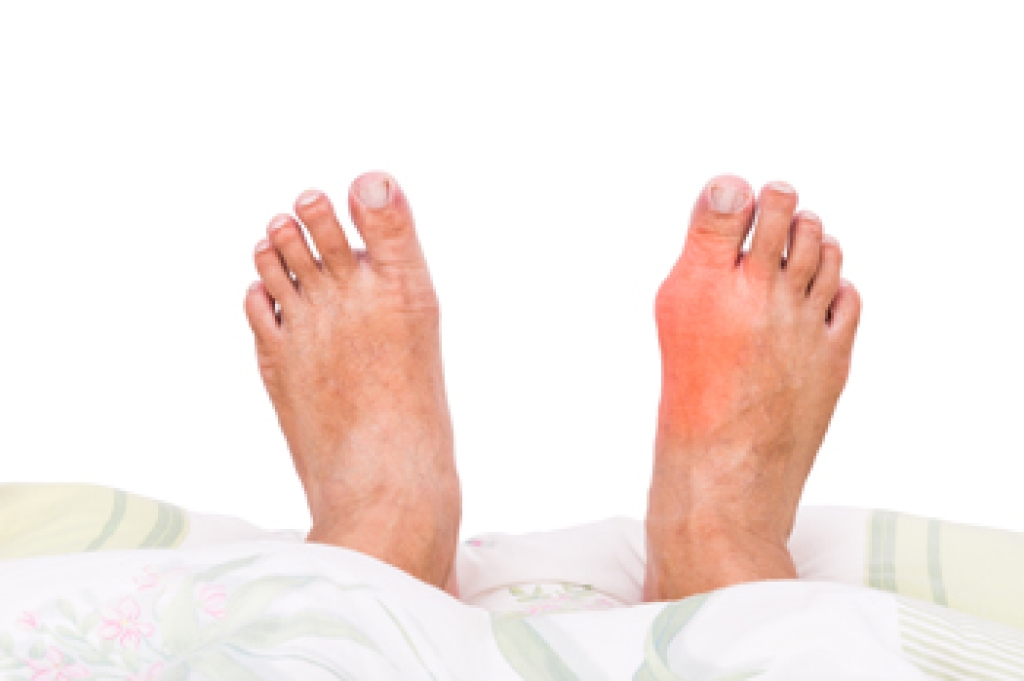
Hallux valgus, commonly known as a bunion, is a deformity where the tip of the big toe shifts inward toward the other toes, causing a bony bump to develop at the base of the toe. Bunions can form from genetics, wearing tight or narrow shoes, flat feet, or arthritis. Symptoms often include pain, swelling, redness, and difficulty wearing shoes comfortably. Risk factors include family history, high-heeled footwear, and foot shape abnormalities. A podiatrist can help by providing customized footwear advice, orthotics, padding, and, in severe cases, surgical options to correct the deformity and restore comfort. If you have bunion pain or notice changes in your feet, it is suggested that you schedule a visit with a podiatrist who can offer effective relief and treatment solutions.

If you are suffering from bunions, contact one of our podiatrists of Ankle and Foot Centers of Missouri, P.C.. Our doctors can provide the care you need to keep you pain-free and on your feet.

What Is a Bunion?

A bunion is formed of swollen tissue or an enlargement of boney growth, usually located at the base joint of the toe that connects to the foot. The swelling occurs due to the bones in the big toe shifting inward, which impacts the other toes of the foot. This causes the area around the base of the big toe to become inflamed and painful.

Why Do Bunions Form?

Genetics – Susceptibility to bunions are often hereditary

Stress on the feet – Poorly fitted and uncomfortable footwear that places stress on feet, such as heels, can worsen existing bunions

How Are Bunions Diagnosed?

Podiatrists often perform two tests – blood tests and x-rays – when trying to diagnose bunions, especially in the early stages of development. Blood tests help determine if the foot pain is being caused by something else, such as arthritis, while x-rays provide a clear picture of your bone structure to your provider.

How Are Bunions Treated?

  • Refrain from wearing heels or similar shoes that cause discomfort
  • Select wider shoes that can provide more comfort and reduce pain
  • Anti-inflammatory and pain management drugs
  • Orthotics or foot inserts
  • Surgery

If you have any questions, please feel free to contact our offices located in Gladstone, MO, Albany, MO, Leavenworth, KS, Hiawatha, KS, and Liberty, MO . We offer the newest diagnostic and treatment technologies for all your foot care needs.

Read more about What Are Bunions?

Connect With Us

scroll to top