Calcific Spurs at the Achilles Tendon

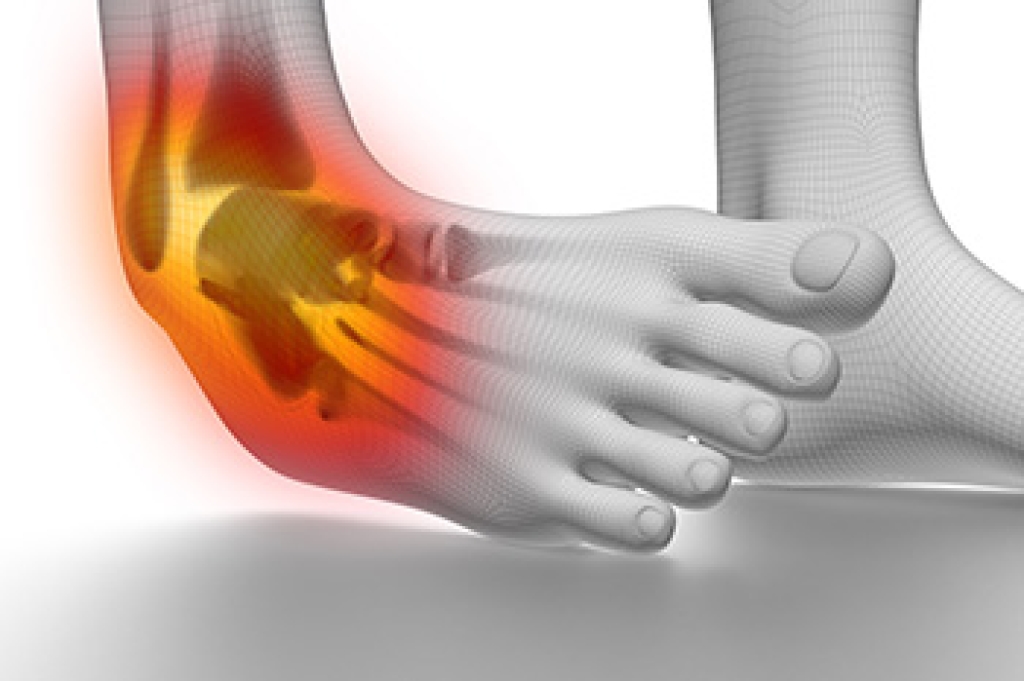
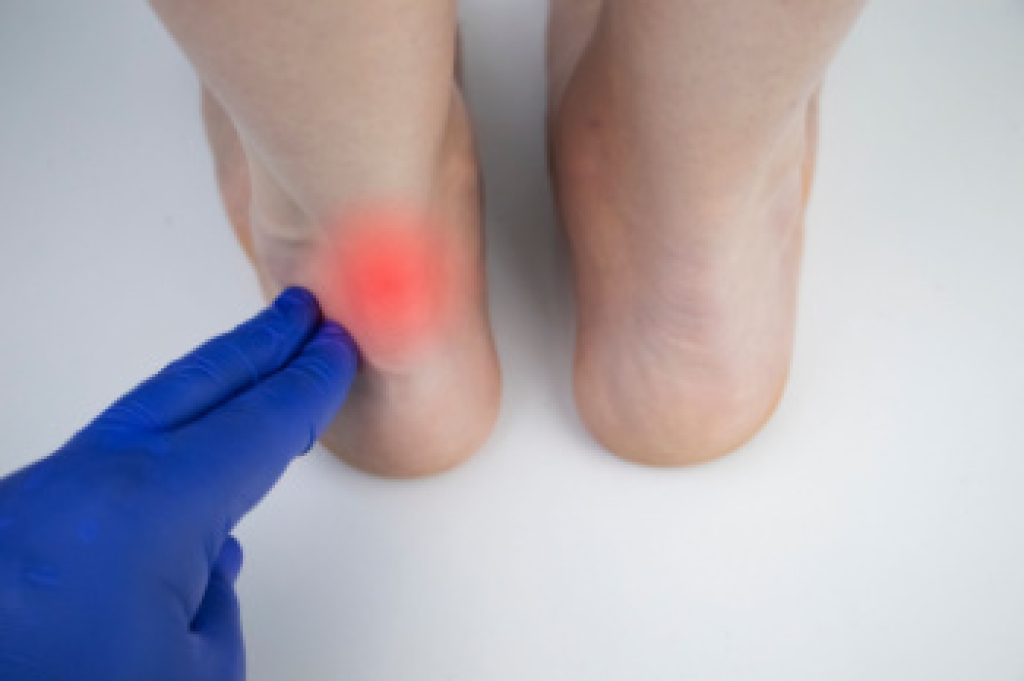
Calcific spurs are bony growths that form at the insertion of the Achilles tendon, where the tendon attaches to the heel bone. These spurs can cause pain, swelling, and stiffness in the back of the heel, especially during activities like walking or running. They develop when calcium deposits build up over time, often due to repeated stress or inflammation of the tendon. Risk factors include age, overuse, tight calf muscles, or conditions like arthritis. Athletes, active individuals, and older adults are more commonly affected. A podiatrist diagnoses calcific spurs through a physical exam and imaging tests like X-rays to confirm the size and location of the spur. Treatment may involve stretching exercises, custom orthotics, or anti-inflammatory medications. Severe cases might require surgery. If you are experiencing heel pain, it is suggested that you see a podiatrist for expert care and relief.

Achilles tendon injuries need immediate attention to avoid future complications. If you have any concerns, contact one of our podiatrists of Ankle and Foot Centers of Missouri, P.C.. Our doctors can provide the care you need to keep you pain-free and on your feet.

What Is the Achilles Tendon?

The Achilles tendon is a tendon that connects the lower leg muscles and calf to the heel of the foot. It is the strongest tendon in the human body and is essential for making movement possible. Because this tendon is such an integral part of the body, any injuries to it can create immense difficulties and should immediately be presented to a doctor.

What Are the Symptoms of an Achilles Tendon Injury?

There are various types of injuries that can affect the Achilles tendon. The two most common injuries are Achilles tendinitis and ruptures of the tendon.

Achilles Tendinitis Symptoms

  • Inflammation
  • Dull to severe pain
  • Increased blood flow to the tendon
  • Thickening of the tendon

Rupture Symptoms

  • Extreme pain and swelling in the foot
  • Total immobility

Treatment and Prevention

Achilles tendon injuries are diagnosed by a thorough physical evaluation, which can include an MRI. Treatment involves rest, physical therapy, and in some cases, surgery. However, various preventative measures can be taken to avoid these injuries, such as:

  • Thorough stretching of the tendon before and after exercise
  • Strengthening exercises like calf raises, squats, leg curls, leg extensions, leg raises, lunges, and leg presses

If you have any questions please feel free to contact our offices located in Gladstone, MO, Albany, MO, Leavenworth, KS, Hiawatha, KS, and Liberty, MO . We offer the newest diagnostic tools and technology to treat your foot and ankle needs.


Read more about What are Achilles Tendon Injuries

Types of Ankle Sprains in Basketball

Basketball players frequently experience ankle sprains due to the physical demands of the sport. The most common type is a lateral ankle sprain. This type of ankle sprain occurs when the foot rolls inward, a movement called inversion, which stretches or tears the ligaments on the outer side of the ankle. High ankle sprains, though less common, are more severe. This ankle sprain involves the syndesmosis, a group of connective tissues that holds the tibia and fibula bones together just above the ankle. High ankle sprains are caused by a twisting motion that separates these bones. Medial ankle sprains occur when the foot rolls outward, termed eversion, which stresses the deltoid ligament on the inside of the ankle. All types of ankle sprains can cause swelling, pain, and instability. A podiatrist can order digital imaging tests to determine the type of sprain, assess its severity, and create a treatment plan to restore ankle function. If you have ankle pain after playing basketball, it is suggested that you schedule an appointment with a podiatrist for an exam, diagnosis, and treatment options.

Ankle and foot injuries are common among athletes and in many sports. They can be caused by several problems and may be potentially serious. If you are feeling pain or think you were injured in a sporting event or when exercising, consult with one of our podiatrists from Ankle and Foot Centers of Missouri, P.C.. Our doctors will assess your condition and provide you with quality foot and ankle treatment.

Common Injuries

The most common injuries that occur in sporting activities include:

  • Achilles Tendonitis
  • Achilles Tendon Rupture
  • Ankle Sprains
  • Broken Foot
  • Plantar Fasciitis
  • Stress Fractures
  • Turf Toe

Symptoms

Symptoms vary depending upon the injury and in some cases, there may be no symptoms at all. However, in most cases, some form of symptom is experienced. Pain, aching, burning, bruising, tenderness, tightness or stiffness, sensation loss, difficulty moving, and swelling are the most common symptoms.

Treatment

Just as symptoms vary depending upon the injury, so do treatment options. A common treatment method is known as the RICE method. This method involves rest, applying ice, compression and elevating the afflicted foot or ankle. If the injury appears to be more serious, surgery might be required, such as arthroscopic or reconstructive surgery. Lastly, rehabilitation or therapy might be needed to gain full functionality in the afflicted area. Any discomfort experienced by an athlete must be evaluated by a licensed, reputable medical professional.  

If you have any questions please contact our offices located in Gladstone, MO, Albany, MO, Leavenworth, KS, Hiawatha, KS, and Liberty, MO . We offer the newest diagnostic and treatment technologies for all your foot and ankle needs.

Read more about Sports Related Foot and Ankle Injuries

Plantar Warts Can Be Treated!

Plantar warts are small growths that develop on parts of the feet that bear weight. They're typically found on the bottom of the foot. Don't live with plantar warts, and call us today!

Definition and Causes of High Ankle Sprains

A high ankle sprain is an injury to the ligaments that connect the tibia and fibula, the two bones of the lower leg, just above the ankle joint. Unlike a regular ankle sprain, which affects the ligaments surrounding the ankle joint, a high ankle sprain involves the syndesmotic ligaments, which help stabilize the lower leg. This type of sprain is less common but often more severe, causing pain, swelling, and difficulty walking. High ankle sprains are typically caused by twisting or rotating the ankle, especially during sports activities like football, skiing, or basketball. A sudden force or impact, such as an awkward fall or tackle, can stretch or tear the ligaments. These sprains are often slow to heal and may require rest, or in severe cases, surgery for recovery. If you have sprained your ankle, it is suggested that you consult a podiatrist who can accurately diagnose and effectively treat ankle sprains.

Although ankle sprains are common, they aren’t always minor injuries. If you need your ankle injury looked at, contact one of our podiatrists from Ankle and Foot Centers of Missouri, P.C.. Our doctors can provide the care you need to keep you pain-free and on your feet.

How Does an Ankle Sprain Occur?

Ankle sprains are the result of a tear in the ligaments within the ankle. These injuries may happen when you make a rapid shifting movement while your foot is planted. A less common way to sprain your ankle is when your ankle rolls inward while your foot turns outward.

What Are the Symptoms?

  • Pain at the sight of the tear
  • Bruising/Swelling
  • Ankle area is tender to touch
  • In severe cases, may hear/feel something tear
  • Skin discoloration

Preventing a Sprain

  • Wearing appropriate shoes for the occasion
  • Stretching before exercises and sports
  • Knowing your limits

Treatment of a Sprain

In many cases, the RICE method (Rest, Ice, Compression, and Elevate) is used to treat ankle sprains. However, you should see a podiatrist to see which treatment option would work best with your injury. In severe cases, surgery may be required.

It is important to ask your doctor about rehab options after you receive treatment for your injury. Stretching, strength training, and balance exercises may help the ankle heal while also preventing further injury.

If you have any questions, please feel free to contact our offices located in Gladstone, MO, Albany, MO, Leavenworth, KS, Hiawatha, KS, and Liberty, MO . We offer the newest diagnostic and treatment technologies for all your foot care needs.

Read more about Ankle Sprains

Connection Between Rheumatoid Arthritis and Tarsal Tunnel Syndrome

Tarsal tunnel syndrome, or TTS, is a painful condition where the tibial nerve, located near the ankle, becomes compressed within the tarsal tunnel. People with rheumatoid arthritis, or RA, are more prone to TTS due to joint inflammation and swelling that increase pressure on surrounding nerves. This nerve compression can lead to symptoms like tingling, burning, numbness, or sharp pain radiating from the ankle into the foot, worsening with prolonged standing or walking. Those with RA are at higher risk because chronic inflammation can alter joint structure and create nerve impingement. People with foot deformities or those who overuse their feet are also at risk. Managing TTS often involves rest, anti-inflammatory treatments, or targeted exercises. A podiatrist can evaluate the severity, recommend braces, custom orthotics, or even surgery, ensuring a treatment plan that aligns with each patient’s needs. If you have pain in this part of your ankle, it is suggested that you visit a podiatrist for a proper diagnosis and appropriate treatment.

Tarsal tunnel syndrome can be very uncomfortable to live with. If you are experiencing tarsal tunnel syndrome, contact one of our podiatrists of Ankle and Foot Centers of Missouri, P.C.. Our doctors can provide the care you need to keep you pain-free and on your feet.

Tarsal Tunnel Syndrome

Tarsal tunnel syndrome, which can also be called tibial nerve dysfunction, is an uncommon condition of misfiring peripheral nerves in the foot. The tibial nerve is the peripheral nerve in the leg responsible for sensation and movement of the foot and calf muscles. In tarsal tunnel syndrome, the tibial nerve is damaged, causing problems with movement and feeling in the foot of the affected leg.

Common Cause of Tarsal Tunnel Syndrome

  • Involves pressure or an injury, direct pressure on the tibial nerve for an extended period of time, sometimes caused by other body structures close by or near the knee.
  • Diseases that damage nerves, including diabetes, may cause tarsal tunnel syndrome.
  • At times, tarsal tunnel syndrome can appear without an obvious cause in some cases.

The Effects of Tarsal Tunnel Syndrome

  • Different sensations, an afflicted person may experience pain, tingling, burning or other unusual sensations in the foot of the affected leg.
  • The foot muscles, toes and ankle become weaker, and curling your toes or flexing your foot can become difficult.
  • If condition worsens, infections and ulcers may develop on the foot that is experiencing the syndrome.

A physical exam of the leg can help identify the presence of tarsal tunnel syndrome. Medical tests, such as a nerve biopsy, are also used to diagnose the condition. Patients may receive physical therapy and prescriptive medication. In extreme cases, some may require surgery.

If you have any questions please contact our offices located in Gladstone, MO, Albany, MO, Leavenworth, KS, Hiawatha, KS, and Liberty, MO . We offer the newest diagnostic and treatment technologies for all your foot and ankle needs.

Read more about Tarsal Tunnel Syndrome

Connect With Us

scroll to top