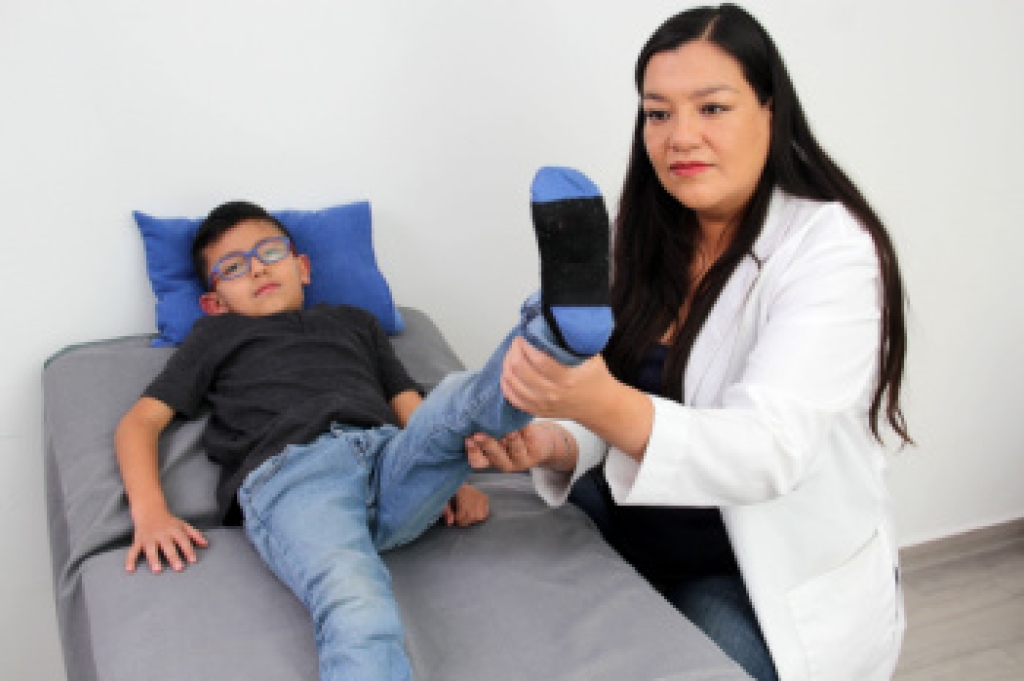
Treatment Options for Hallux Rigidus

Hallux rigidus is a form of arthritis that affects the joint at the base of the big toe, causing pain and stiffness that can make walking uncomfortable. Many people first notice difficulty bending the toe, pain during push-off, or swelling around the joint. Treatment depends on how advanced the condition has become and how much it affects daily life. Early care may include shoe changes, custom orthotics, activity adjustments, and anti-inflammatory treatments to reduce pressure on the joint and improve comfort. Some patients benefit from targeted exercises to help maintain movement. When pain becomes more severe, or motion is greatly limited, procedures may be considered to remove damaged tissue, improve joint movement, or address advanced joint damage. Managing symptoms early may help slow progression and keep you active. If you have big toe pain and stiffness, it is suggested that you visit a podiatrist for appropriate treatment solutions.

Toe pain can disrupt your daily activities. If you have any concerns, contact one of our podiatrists of Ankle and Foot Centers of Missouri, P.C.. Our doctors can provide the care you need to keep you pain-free and on your feet.

What Causes Toe Pain?

Most severe toe pain is caused due to a sports injury, trauma from dropping something heavy on the toe, or bumping into something rigid. Other problems can develop over time for various reasons.

Toe pain can be caused by one or more ailments. The most common include:

  • Trauma
  • Sports injury
  • Wearing shoes that are too tight
  • Arthritis
  • Gout
  • Corns and calluses
  • Hammertoe
  • Bunions
  • Blisters
  • Ingrown toenails
  • Sprains
  • Fractures (broken bones)
  • Dislocations

When to See a Podiatrist

  • Severe pain
  • Persistent pain that lasts more than a week
  • Signs of infection
  • Continued swelling
  • Pain that prevents walking

Diagnosis

In many cases the cause of toe pain is obvious, but in others, a podiatrist may want to use more advanced methods to determine the problem. These can range from simple visual inspections and sensation tests to X-rays and MRI scans. Prior medical history, family medical history, and any recent physical traumatic events will all be taken into consideration for a proper diagnosis.

Treatment

Treatments for toe pain and injuries vary and may include shoe inserts, padding, taping, medicines, injections, and in some cases, surgery. If you believe that you have broken a toe, please see a podiatrist as soon as possible.

If you have any questions please contact our offices located in Gladstone, MO, Albany, MO, Leavenworth, KS, Hiawatha, KS, and Liberty, MO . We offer the newest diagnostic and treatment technologies for all your foot and ankle needs.

Read more about Toe Pain

Chronic Ankle Instability and Recurring Lateral Sprains

Chronic ankle instability develops after repeated lateral ankle sprains. These injuries lead to persistent weakness and can cause a feeling of the ankle giving way. This condition affects the stability of the ankle joint and can interfere with both athletic performance and daily activities. It often begins with an initial sprain that does not fully heal, resulting in ongoing ligament laxity. Eventually, the ankle becomes less reliable, increasing the risk of additional injuries and long-term joint damage.

Common symptoms of chronic ankle instability include recurring ankle sprains, ongoing discomfort, and swelling after activity. Individuals may notice difficulty maintaining balance or a sense that the ankle is unstable during movement. Pain may be mild or moderate, but can become more noticeable with increased activity. Limited range of motion and stiffness are also common. If they are not properly addressed, these symptoms can significantly impact mobility and quality of life.


Risk factors for chronic ankle instability include a history of untreated or poorly managed ankle sprains. Weak supporting muscles, poor proprioception, and inadequate rehabilitation all contribute to continued instability. Participation in high impact sports or activities with frequent directional changes can increase strain on the ankle. Improper footwear and uneven surfaces further elevate the risk of reinjury. Identifying these factors is important for preventing progression and improving joint support.


The causes of chronic ankle instability are linked to repeated damage to the lateral ligaments and insufficient healing. Each sprain weakens the structural integrity of the joint, making it more prone to future injury. Comprehensive treatment focuses on strengthening, stability training, and proper foot alignment. Early intervention can reduce recurrence and improve function. If you have ankle sprains or chronic instability, it is suggested you consult a podiatrist for an accurate diagnosis and appropriate treatment.

Although ankle sprains are common, they aren’t always minor injuries. If you need your ankle injury looked at, contact one of our podiatrists from Ankle and Foot Centers of Missouri, P.C.. Our doctors can provide the care you need to keep you pain-free and on your feet.

How Does an Ankle Sprain Occur?

Ankle sprains are the result of a tear in the ligaments within the ankle. These injuries may happen when you make a rapid shifting movement while your foot is planted. A less common way to sprain your ankle is when your ankle rolls inward while your foot turns outward.

What Are the Symptoms?

  • Pain at the sight of the tear
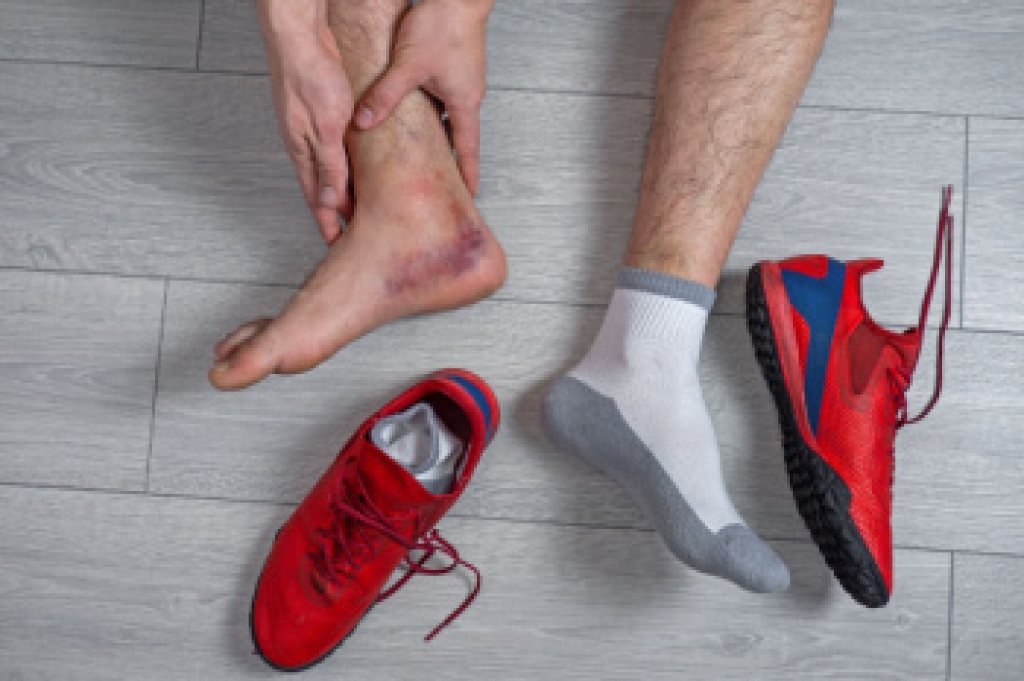
  • Bruising/Swelling
  • Ankle area is tender to touch
  • In severe cases, may hear/feel something tear
  • Skin discoloration

Preventing a Sprain

  • Wearing appropriate shoes for the occasion
  • Stretching before exercises and sports
  • Knowing your limits

Treatment of a Sprain

In many cases, the RICE method (Rest, Ice, Compression, and Elevate) is used to treat ankle sprains. However, you should see a podiatrist to see which treatment option would work best with your injury. In severe cases, surgery may be required.

It is important to ask your doctor about rehab options after you receive treatment for your injury. Stretching, strength training, and balance exercises may help the ankle heal while also preventing further injury.

If you have any questions, please feel free to contact our offices located in Gladstone, MO, Albany, MO, Leavenworth, KS, Hiawatha, KS, and Liberty, MO . We offer the newest diagnostic and treatment technologies for all your foot care needs.

Read more about Ankle Sprains

Heel Pain in the Morning?

Heel pain can negatively affect your day-to-day life. Simple activities like walking can become incredibly uncomfortable or painful due to heel pain.

Don’t live with heel pain and get treated.

When Your Child Has Arthritis

Juvenile arthritis causes joint pain and swelling in children. It can affect the feet, ankles, knees, and other joints, making it harder for a child to walk, run, or stay active. Symptoms include stiffness in the morning, swollen joints, and pain while walking. Children may also feel tired or develop warmth and redness around the joints. When the feet and ankles are affected, children may limp or avoid certain activities because of discomfort. A podiatrist can examine how the child walks and check for joint changes in the feet. Treatment includes custom orthotics, supportive footwear, and braces that help reduce pressure on painful joints. Stretching exercises and monitoring foot growth can also help improve comfort and movement. If your child has foot or ankle pain linked to arthritis, it is suggested that you make an appointment with a podiatrist for an exam and treatment options.

Arthritis can be a difficult condition to live with. If you are seeking treatment, contact one of our podiatrists from Ankle and Foot Centers of Missouri, P.C.. Our doctors can provide the care you need to keep you pain-free and on your feet.

Arthritic Foot Care  

Arthritis is a joint disorder that involves the inflammation of different joints in your body, such as those in your feet. Arthritis is often caused by a degenerative joint disease and causes mild to severe pain in all affected areas. In addition to this, swelling and stiffness in the affected joints can also be a common symptom of arthritis.

In many cases, wearing ill-fitting shoes can worsen the effects and pain of arthritis. Wearing shoes that have a lower heel and extra room can help your feet feel more comfortable. In cases of rheumatoid arthritis, the arch in your foot may become problematic. Buying shoes with proper arch support that contour to your feet can help immensely.

Alleviating Arthritic Pain

  • Exercises that stretch the foot can prevent further pain and injury and increase mobility
  • Most of the pain can be alleviated with anti-inflammatory drugs, heat, and topical medications
  • Massages can help temporarily alleviate pain.

It is best to see your doctor for the treatment that is right for your needs and symptoms. Conditions vary, and a podiatrist can help you determine the right method of care for your feet.

If you have any questions please feel free to contact our offices located in Gladstone, MO, Albany, MO, Leavenworth, KS, Hiawatha, KS, and Liberty, MO . We offer the newest diagnostic tools and technology to treat your foot and ankle needs.

Read more about Arthritic Foot Care

Foot Changes During Pregnancy

Foot pain during pregnancy is a common concern as the body goes through physical and hormonal changes. Increased weight places added pressure on the feet, while hormonal shifts can loosen ligaments and affect foot structure. Many women notice their feet have become swollen, achy, or a feeling of heaviness, especially later in the day. Fluid retention may worsen with high sodium intake, while low potassium levels can contribute to cramping. Caffeine may also affect circulation and increase discomfort for some individuals. Over time, these changes can alter walking patterns and strain joints. A podiatrist can evaluate foot alignment, monitor swelling, and recommend supportive treatments such as custom orthotics or footwear guidance to reduce stress on the feet. Proper care can help maintain comfort and mobility throughout pregnancy. If you have foot pain during your pregnancy, it is suggested that you consult a podiatrist who can offer effective relief tips.

Pregnant women with swollen feet can be treated with a variety of different methods that are readily available. For more information about other cures for swollen feet during pregnancy, consult with one of our podiatrists from Ankle and Foot Centers of Missouri, P.C.. Our doctors will attend to all of your foot and ankle needs.

What Foot Problems Can Arise During Pregnancy?

One problem that can occur is overpronation, which occurs when the arch of the foot flattens and tends to roll inward.  This can cause pain and discomfort in your heels while you’re walking or even just standing up, trying to support your baby.  

Another problem is edema, or swelling in the extremities. This often affects the feet during pregnancy but tends to occur in the later stages. 

How Can I Keep My Feet Healthy During Pregnancy?

  • Wearing orthotics can provide extra support for the feet and help distribute weight evenly
  • Minimize the amount of time spent walking barefoot
  • Wear shoes with good arch support
  • Wear shoes that allow for good circulation to the feet
  • Elevate feet if you experience swelling
  • Massage your feet
  • Get regular, light exercise, such as walking, to promote blood circulation to the feet

If you have any questions, please feel free to contact our offices located in Gladstone, MO, Albany, MO, Leavenworth, KS, Hiawatha, KS, and Liberty, MO . We offer the newest diagnostic and treatment technologies for all your foot care needs.

Read more about Pregnancy and Foot Health

Connect With Us

scroll to top