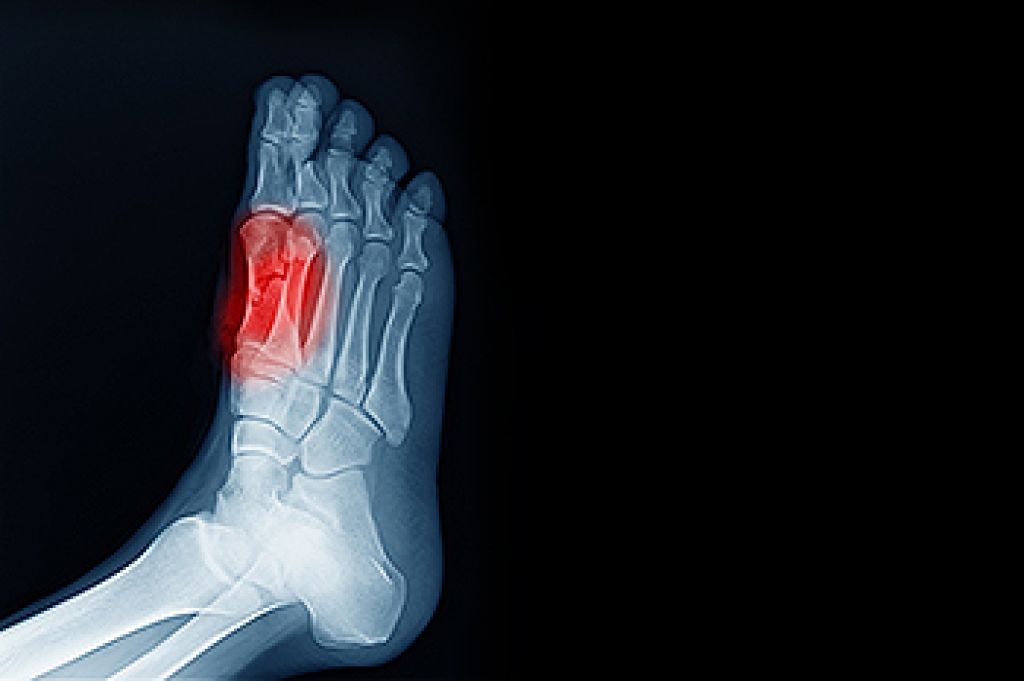
Treating Sesamoiditis Without Surgery

Sesamoiditis is a painful condition involving inflammation of two small bones located beneath the big toe joint. These bones help absorb pressure and assist with movement during walking and running. The condition often develops from repeated stress, especially in runners, dancers, or people who spend long hours on their feet. Pain is usually felt under the ball of the foot and may worsen with activity or pushing off the toes. Treatment often begins with non-surgical care aimed at reducing pressure and inflammation. A podiatrist may recommend activity changes, supportive footwear, custom orthotics, anti-inflammatory treatment, or temporary immobilization to allow healing. Early treatment can help prevent the condition from becoming more severe or leading to chronic pain. If you have pain beneath the big toe joint that worsens with walking or activity, it is suggested that you consult a podiatrist for effective relief and treatment solutions.

Sesamoiditis is an unpleasant foot condition characterized by pain in the balls of the feet. If you think you’re struggling with sesamoiditis, contact one of our podiatrists of Ankle and Foot Centers of Missouri, P.C.. Our doctors will treat your condition thoroughly and effectively.

Sesamoiditis

Sesamoiditis is a condition of the foot that affects the ball of the foot. It is more common in younger people than it is in older people. It can also occur with people who have begun a new exercise program, since their bodies are adjusting to the new physical regimen. Pain may also be caused by the inflammation of tendons surrounding the bones. It is important to seek treatment in its early stages because if you ignore the pain, this condition can lead to more serious problems such as severe irritation and bone fractures.

Causes of Sesamoiditis

  • Sudden increase in activity
  • Increase in physically strenuous movement without a proper warm up or build up
  • Foot structure: those who have smaller, bonier feet or those with a high arch may be more susceptible

Treatment for sesamoiditis is non-invasive and simple. Doctors may recommend a strict rest period where the patient forgoes most physical activity. This will help give the patient time to heal their feet through limited activity. For serious cases, it is best to speak with your doctor to determine a treatment option that will help your specific needs.

If you have any questions, please feel free to contact our offices located in Gladstone, MO, Albany, MO, Leavenworth, KS, Hiawatha, KS, and Liberty, MO . We offer the newest diagnostic and treatment technologies for all your foot care needs.

Read more about Sesamoiditis

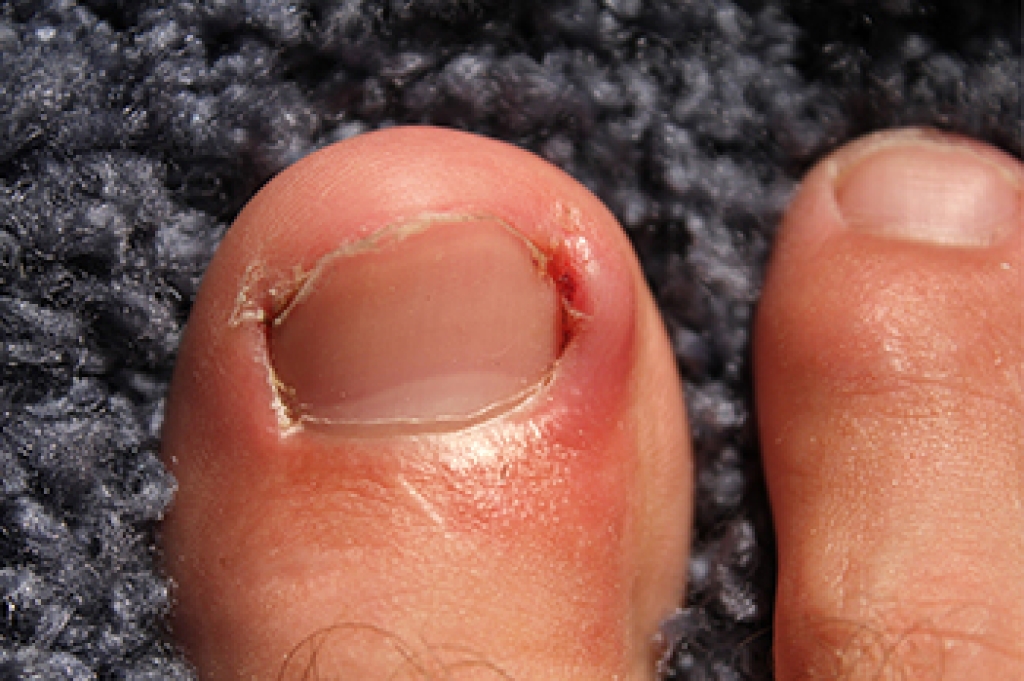
Recognizing an Infected Ingrown Toenail

When an ingrown toenail becomes infected, it often causes redness, swelling, and pain that worsens with pressure. The area where the toenail has grown into the skin may feel warm, and fluid or pus can form as the body responds to bacteria or fungus. Infections can develop quickly and may spread deeper into the toe, if not addressed quickly. People with poor circulation or nerve damage in the feet face a higher risk of complications because healing is impaired. A podiatrist can examine the toe and confirm the cause of the infection. If necessary, the problem section of the nail can be removed safely. Care includes cleaning the area, reducing pressure on the nail, and prescribing medication, as needed. Early treatment helps prevent deeper tissue damage and ongoing discomfort. If you are suffering from an ingrown toenail problem, it is suggested that you schedule an appointment with a podiatrist for appropriate treatment.

Ingrown toenails may initially present themselves as a minor discomfort, but they may progress into an infection in the skin without proper treatment. For more information about ingrown toenails, contact one of our podiatrists of Ankle and Foot Centers of Missouri, P.C.. Our doctors can provide the care you need to keep you pain-free and on your feet.

Ingrown Toenails

Ingrown toenails are caused when the corner or side of a toenail grows into the soft flesh surrounding it. They often result in redness, swelling, pain, and in some cases, infection. This condition typically affects the big toe and may recur if it is not treated properly.

Causes

  • Improper toenail trimming
  • Genetics
  • Improper shoe fitting
  • Injury from pedicures or nail picking
  • Abnormal gait
  • Poor hygiene

You are more likely to develop an ingrown toenail if you are obese, have diabetes, arthritis, or have any fungal infection in your nails. Additionally, people who have foot or toe deformities are at a higher risk of developing an ingrown toenail.

Symptoms

Some symptoms of ingrown toenails are redness, swelling, and pain. In rare cases, there may be a yellowish drainage coming from the nail.

Treatment

Ignoring an ingrown toenail can have serious complications. Infections of the nail border can progress to a deeper soft-tissue infection, which can then turn into a bone infection. You should always speak with your podiatrist if you suspect you have an ingrown toenail, especially if you have diabetes or poor circulation.

If you have any questions, please feel free to contact our offices located in Gladstone, MO, Albany, MO, Leavenworth, KS, Hiawatha, KS, and Liberty, MO . We offer the newest diagnostic and treatment technologies for all your foot care needs.
Read more about Ingrown Toenails

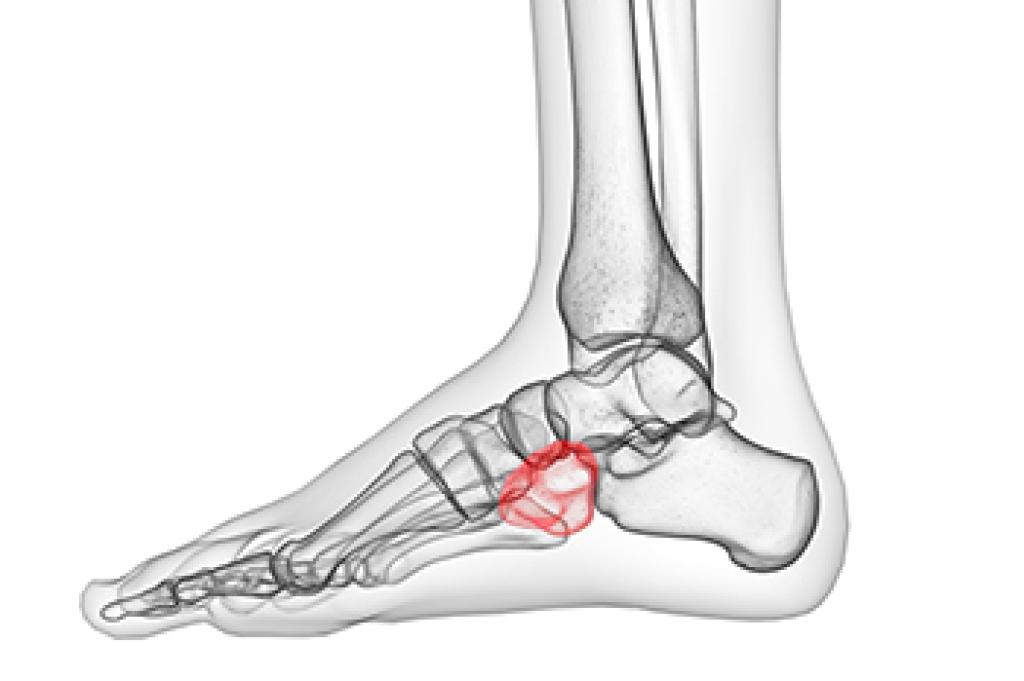
Outer Foot Pain May Indicate Cuboid Syndrome

Cuboid syndrome occurs when there is an injury to the joint and surrounding ligaments of the cuboid bone on the outer side of the foot. It is often seen in athletes, gymnasts, and dancers, due to repetitive stress and movement. Symptoms include pain along the outside of the foot that worsens with weight bearing, difficulty walking, and a decreased range of motion. Some people may also notice weakness or instability in the foot. Risk factors include overuse, improper footwear, and previous ankle injuries. A podiatrist can assess the foot, restore proper alignment, and recommend supportive treatment. If you have pain on the outside of your foot, it is suggested that you consult a podiatrist who can accurately diagnose and treat what may be going on.

Cuboid syndrome, also known as cuboid subluxation, occurs when the joints and ligaments near the cuboid bone in the foot become torn. If you have cuboid syndrome, consult with one of our podiatrists from Ankle and Foot Centers of Missouri, P.C.. Our doctors will assess your condition and provide you with quality foot and ankle treatment.

Cuboid syndrome is a common cause of lateral foot pain, which is pain on the outside of the foot. The condition may happen suddenly due to an ankle sprain, or it may develop slowly overtime from repetitive tension through the bone and surrounding structures.

Causes

The most common causes of cuboid syndrome include:

  • Injury – The most common cause of this ailment is an ankle sprain.
  • Repetitive Strain – Tension placed through the peroneus longus muscle from repetitive activities such as jumping and running may cause excessive traction on the bone causing it to sublux.
  • Altered Foot Biomechanics – Most people suffering from cuboid subluxation have flat feet.

Symptoms

A common symptom of cuboid syndrome is pain along the outside of the foot which can be felt in the ankle and toes. This pain may create walking difficulties and may cause those with the condition to walk with a limp.

Diagnosis

Diagnosis of cuboid syndrome is often difficult, and it is often misdiagnosed. X-rays, MRIs and CT scans often fail to properly show the cuboid subluxation. Although there isn’t a specific test used to diagnose cuboid syndrome, your podiatrist will usually check if pain is felt while pressing firmly on the cuboid bone of your foot.

Treatment

Just as the range of causes varies widely, so do treatments. Some more common treatments are ice therapy, rest, exercise, taping, and orthotics.

If you have any questions, please feel free to contact our offices located in Gladstone, MO, Albany, MO, Leavenworth, KS, Hiawatha, KS, and Liberty, MO . We offer the newest diagnostic and treatment technologies for all your foot care needs.
Read more about Cuboid Syndrome

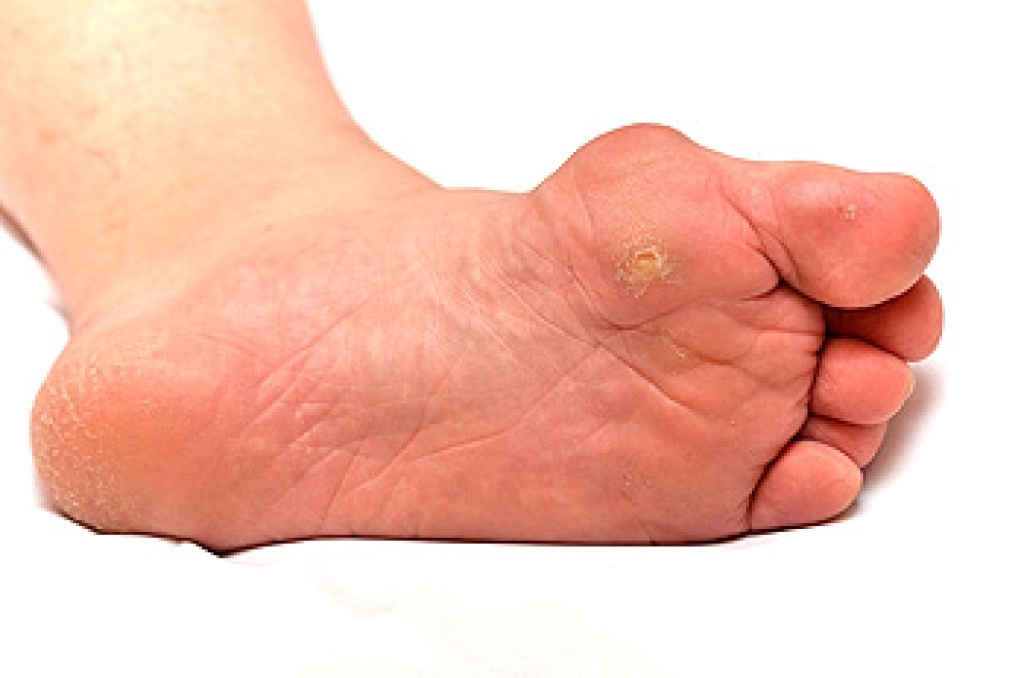
Causes of Corns and Calluses

Corns and calluses are areas of thickened skin that develop as a protective response to repeated friction and pressure, often caused by mechanical stress from wearing poorly fitting shoes. Calluses are usually larger, flatter, and form on weight-bearing areas. Corns are smaller, deeper, and can cause significant pain and inflammation. Hard corns develop on the tops of toes or pressure points, and feel dense, while soft corns form between toes where moisture keeps them pliable and tender. Risk factors include improper footwear, foot deformities, and prolonged standing. A podiatrist can safely reduce thickened skin, relieve discomfort, and recommend proper footwear. If you have developed a corn that has become painful, it is suggested that you consult a podiatrist who can offer effective relief and prevention tips.

If you have any concerns regarding your feet and ankles, contact one of our podiatrists of Ankle and Foot Centers of Missouri, P.C.. Our doctors will treat your foot and ankle needs.

Corns: What Are They? and How Do You Get Rid of Them?
Corns can be described as areas of the skin that have thickened to the point of becoming painful or irritating. They are often layers and layers of the skin that have become dry and rough, and are normally smaller than calluses.

Ways to Prevent Corns
There are many ways to get rid of painful corns such as wearing:

  • Well-fitting socks
  • Comfortable shoes that are not tight around your foot
  • Shoes that offer support

Treating Corns
Treatment of corns involves removing the dead skin that has built up in the specific area of the foot. Consult with Our doctors to determine the best treatment option for your case of corns.

If you have any questions, please feel free to contact our offices located in Gladstone, MO, Albany, MO, Leavenworth, KS, Hiawatha, KS, and Liberty, MO . We offer the newest diagnostic and treatment technologies for all your foot care needs.

Read more about Corns and Calluses

Connect With Us

scroll to top