When Is Heel Spur Surgery Needed?

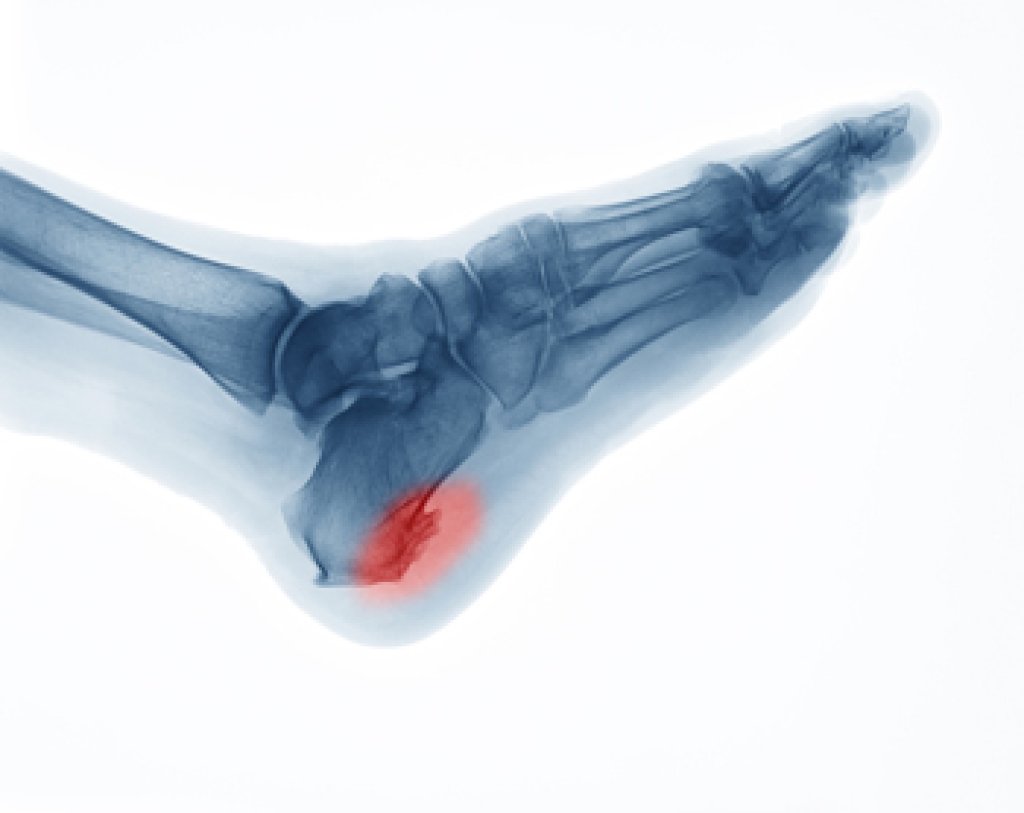
A heel spur is a small, bony growth that develops on the bottom of the heel bone due to long-term stress on the foot. Many people with a heel spur do not need surgery, but it may be considered when pain is ongoing and limits daily movement. Heel spur surgery is usually discussed only after a podiatrist has tried other medical treatment and the pain still affects walking or standing. It may also be needed if the spur is irritating nearby tissue or causing lasting inflammation, or swelling and pain in the area. A podiatrist can examine the foot and review imaging like X-rays to determine if surgery is needed. The procedure can remove the spur and reduce strain on the surrounding structures to improve comfort and function. If you have pain from a heel spur, it is suggested that you make an appointment with a podiatrist to see if surgery is an option.

Heel spurs can be incredibly painful and sometimes may make you unable to participate in physical activities. To get medical care for your heel spurs, contact one of our podiatrists from Ankle and Foot Centers of Missouri, P.C.. Our doctors will do everything possible to treat your condition.

Heels Spurs

Heel spurs are formed by calcium deposits on the back of the foot where the heel is. This can also be caused by small fragments of bone breaking off one section of the foot, attaching onto the back of the foot. Heel spurs can also be bone growth on the back of the foot and may grow in the direction of the arch of the foot.

Older individuals usually suffer from heel spurs and pain sometimes intensifies with age. One of the main condition's spurs are related to is plantar fasciitis.

Pain

The pain associated with spurs is often because of weight placed on the feet. When someone is walking, their entire weight is concentrated on the feet. Bone spurs then have the tendency to affect other bones and tissues around the foot. As the pain continues, the feet will become tender and sensitive over time.

Treatments

There are many ways to treat heel spurs. If one is suffering from heel spurs in conjunction with pain, there are several methods for healing. Medication, surgery, and herbal care are some options.

If you have any questions, please feel free to contact our offices located in Gladstone, MO, Albany, MO, Leavenworth, KS, Hiawatha, KS, and Liberty, MO . We offer the newest diagnostic and treatment technologies for all your foot care needs.

Read more about Heel Spurs

Understanding Foot Structure

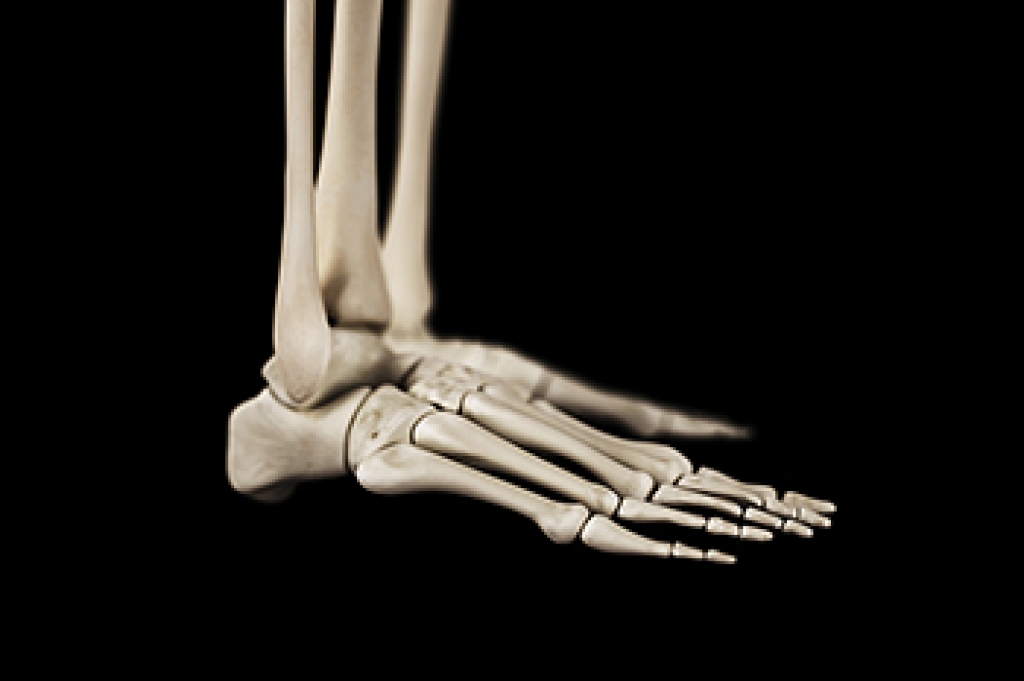
The foot is a complex structure made up of bones, ligaments, and joints that work together to support movement and balance. The bones are divided into three main groups. The tarsus forms the rear portion of the foot and includes bones that help absorb shock and provide stability. The metatarsus makes up the midfoot and plays a key role in weight distribution and arch support. Additionally, the phalanges are the toes, which assist with balance and push off during walking, running, and jumping. Ligaments connect these bones and provide essential support to maintain proper alignment. Healthy joints allow smooth and coordinated movement. A podiatrist can help by evaluating foot mechanics and addressing issues. If you have foot or ankle pain, it is suggested that you consult a podiatrist who can determine the cause and offer appropriate treatment solutions. 

If you have any concerns about your feet, contact one of our podiatrists from Ankle and Foot Centers of Missouri, P.C.. Our doctors can provide the care you need to keep you pain-free and on your feet.

Biomechanics in Podiatry

Podiatric biomechanics is a particular sector of specialty podiatry with licensed practitioners who are trained to diagnose and treat conditions affecting the foot, ankle and lower leg. Biomechanics deals with the forces that act against the body, causing an interference with the biological structures. It focuses on the movement of the ankle, the foot and the forces that interact with them.

A History of Biomechanics

  • Biomechanics dates back to the BC era in Egypt where evidence of professional foot care has been recorded.
  • In 1974, biomechanics gained a higher profile from the studies of Merton Root, who claimed that by changing or controlling the forces between the ankle and the foot, corrections or conditions could be implemented to gain strength and coordination in the area.

Modern technological improvements are based on past theories and therapeutic processes that provide a better understanding of podiatric concepts for biomechanics. Computers can provide accurate information about the forces and patterns of the feet and lower legs.

Understanding biomechanics of the feet can help improve and eliminate pain, stopping further stress to the foot.

If you have any questions please feel free to contact our offices located in Gladstone, MO, Albany, MO, Leavenworth, KS, Hiawatha, KS, and Liberty, MO . We offer the newest diagnostic and treatment technologies for all your foot and ankle needs.

Read more about Biomechanics in Podiatry

Wounds That Don't Heal Need to Be Checked

Your feet are covered most of the day. If you're diabetic, periodic screening is important for good health. Numbness is often a sign of diabetic foot and can mask a sore or wound.

How Injury Patterns Differ Between Men and Women in Sports

Foot and ankle injuries are common in athletes, but they do not occur the same way in men and women. Differences in anatomy, muscle strength, joint flexibility, and movement patterns can influence how stress is placed on the lower extremities. For example, women may be more prone to certain ligament strains due to joint laxity and alignment, while men may experience more high-impact injuries related to force and speed. Foot structure, footwear choices, and training habits also play a role in how injuries develop. Recognizing these differences allows for more personalized prevention strategies, including strengthening, balance training, and proper support. Early evaluation of pain or instability can help prevent minor issues from becoming more serious conditions. Whether you are a competitive athlete or staying active for health, understanding your individual risk matters. If you experience ongoing foot or ankle discomfort, it is suggested that you see a podiatrist for a proper diagnosis and appropriate treatment.

Ankle and foot injuries are common among athletes and in many sports. They can be caused by several problems and may be potentially serious. If you are feeling pain or think you were injured in a sporting event or when exercising, consult with one of our podiatrists from Ankle and Foot Centers of Missouri, P.C.. Our doctors will assess your condition and provide you with quality foot and ankle treatment.

Common Injuries

The most common injuries that occur in sporting activities include:

  • Achilles Tendonitis
  • Achilles Tendon Rupture
  • Ankle Sprains
  • Broken Foot
  • Plantar Fasciitis
  • Stress Fractures
  • Turf Toe

Symptoms

Symptoms vary depending upon the injury and in some cases, there may be no symptoms at all. However, in most cases, some form of symptom is experienced. Pain, aching, burning, bruising, tenderness, tightness or stiffness, sensation loss, difficulty moving, and swelling are the most common symptoms.

Treatment

Just as symptoms vary depending upon the injury, so do treatment options. A common treatment method is known as the RICE method. This method involves rest, applying ice, compression and elevating the afflicted foot or ankle. If the injury appears to be more serious, surgery might be required, such as arthroscopic or reconstructive surgery. Lastly, rehabilitation or therapy might be needed to gain full functionality in the afflicted area. Any discomfort experienced by an athlete must be evaluated by a licensed, reputable medical professional.  

If you have any questions please contact our offices located in Gladstone, MO, Albany, MO, Leavenworth, KS, Hiawatha, KS, and Liberty, MO . We offer the newest diagnostic and treatment technologies for all your foot and ankle needs.

Read more about Sports Related Foot and Ankle Injuries

Swollen Feet and Ankles Can Be Warning Signs

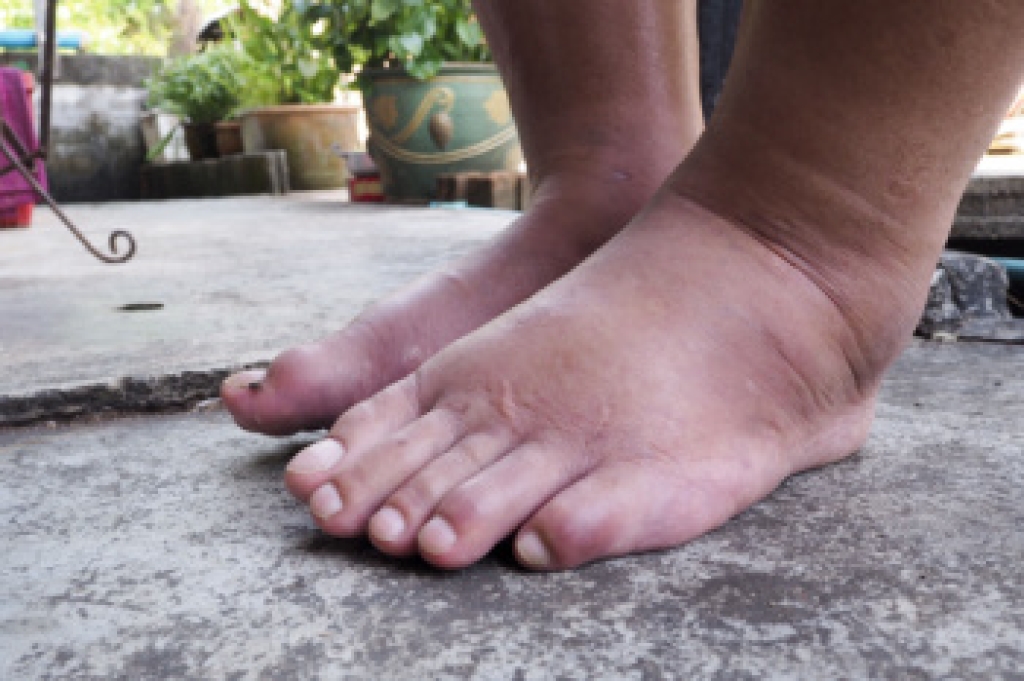
Swelling in the feet or ankles may be more than a discomfort and may signal an underlying health concern. This condition, known as edema, occurs when excess fluid collects in the body’s tissues. It causes the skin to appear puffy, tight, or shiny. Swelling can develop after injuries, such as ankle sprains, fractures, or muscle strains, because the body sends fluid to protect and repair damaged structures. Long periods of standing, pregnancy, and poor circulation can also contribute to fluid buildup in the lower limbs. Swollen feet also may be linked to conditions involving the heart, kidneys, or liver that affect how the body manages fluids. Symptoms include pain, stiffness, reduced ankle movement, or difficulty walking. A podiatrist can assess the cause of swelling by examining foot structure, joint motion, and circulation. Treatment options include supportive devices, footwear changes, or further testing. If you notice unusual or painful swelling in the feet or ankles, it is suggested that you make an appointment with a podiatrist. 

Swollen feet can be a sign of an underlying condition. If you have any concerns, contact one of our podiatrists of Ankle and Foot Centers of Missouri, P.C.. Our doctors can provide the care you need to keep you pain-free and on your feet.

Swollen feet are a common ailment among pregnant women and people who stand or sit for extended periods. Aging may increase the possibility of swollen feet and patients who are obese often notice when their feet are swelling too. There may be medical reasons why swollen feet occur:

  • Phlebitis - A condition that causes the veins to become inflamed and can also cause leg pain.
  • Liver disease - This may lead to low blood levels of albumin which is a protein. This can cause fluid in the blood to pass into the tissues and several areas of the body can become swollen.
  • Heart failure - When the heart doesn’t pump properly the blood that is normally pumped back to the heart can pool in the veins of the legs causing swollen feet.
  • Kidney disease - One of the main functions of the kidneys is releasing excess fluid in the body. This type of condition can make it difficult for the kidneys to function properly, and as a result the feet may become swollen.
  • Deep-vein thrombosis (DVT)- This is a serious condition where blood clots form in the veins of the legs. They can block the return of blood from the legs to the heart which may cause the feet to swell. It is important to be treated by a podiatrist if this condition is present.

Swollen feet can also be caused by bone and tendon conditions, including fractures, arthritis, and tendinitis. Additionally, there may be skin and toenail conditions and an infection may cause the feet to swell. Patients who take medicine to treat high blood pressure may be prone to getting swollen feet. 

Many patients elevate their feet to help relieve the swelling and this is generally a temporary remedy. When a podiatrist is consulted the reason behind the swelling can be uncovered and subsequently treated.

If you have any questions please contact our offices located in Gladstone, MO, Albany, MO, Leavenworth, KS, Hiawatha, KS, and Liberty, MO . We offer the newest diagnostic and treatment technologies for all your foot and ankle needs.

Read more about Swelling of the Feet

Connect With Us

scroll to top