Understanding Ankle Pain and Ankle Fractures

Ankle pain can develop after a sudden injury, and can make standing or walking difficult. One possible cause is an ankle fracture, which is a partial or complete break in a bone. Fractures range from small pieces of bone being pulled away to more serious breaks involving the ankle bones. Rolling the ankle inward or outward can cause a fracture. Because a fracture can feel similar to a sprain, an accurate evaluation is important. In some cases, both injuries can happen at the same time.

An ankle fracture can cause pain, swelling, and bruising soon after the injury. Pain can stay near the ankle or extend from the foot toward the knee. Some patients cannot walk, but being able to walk does not rule out a fracture. The ankle can also look different from the uninjured side. More serious fractures can break through the skin and require immediate care because of the risk of infection. Ankle fractures vary in severity, so treatment depends on the location and type of break. Some fractures require protection in a cast or splint, while severe injuries can require surgery.

A podiatrist can examine an injured ankle and determine whether the pain is related to a fracture or another problem. The evaluation can include checking tender areas, swelling, and changes in the ankle's appearance. Imaging can help confirm a fracture and show the extent of the injury. A podiatrist can determine whether the ankle needs to be protected and kept from moving while the bone heals. Proper treatment is important because complications can include deformity, arthritis, and lasting pain. If you have ankle pain, it is suggested that you schedule an appointment with a podiatrist for a diagnosis and appropriate treatment.

Ankle pain can be caused by a number of problems and may be potentially serious. If you have ankle pain, consult with one of our podiatrists from Ankle and Foot Centers of Missouri, P.C.. Our doctors will assess your condition and provide you with quality foot and ankle treatment.

Ankle pain is any condition that causes pain in the ankle. Due to the fact that the ankle consists of tendons, muscles, bones, and ligaments, ankle pain can come from a number of different conditions.

Causes

The most common causes of ankle pain include:

  • Types of arthritis (rheumatoid, osteoarthritis, and gout)
  • Ankle sprains
  • Broken ankles
  • Achilles tendonitis
  • Achilles tendon rupture
  • Stress fractures
  • Bursitis
  • Tarsal tunnel syndrome
  • Plantar fasciitis

Symptoms

Symptoms of ankle injury vary based upon the condition. Pain may include general pain and discomfort, swelling, aching, redness, bruising, burning or stabbing sensations, and/or loss of sensation.

Diagnosis

Due to the wide variety of potential causes of ankle pain, podiatrists will utilize a number of different methods to properly diagnose ankle pain. This can include asking for personal and family medical histories and of any recent injuries. Further diagnosis may include sensation tests, a physical examination, and potentially x-rays or other imaging tests.

Treatment

Just as the range of causes varies widely, so do treatments. Some more common treatments are rest, ice packs, keeping pressure off the foot, orthotics and braces, medication for inflammation and pain, and surgery.

If you have any questions please feel free to contact our offices located in Gladstone, MO, Albany, MO, Leavenworth, KS, Hiawatha, KS, and Liberty, MO . We offer the newest diagnostic tools and technology to treat your foot and ankle needs.
Read more about Various Causes of Ankle Pain

How Bunions Can Affect Foot Health

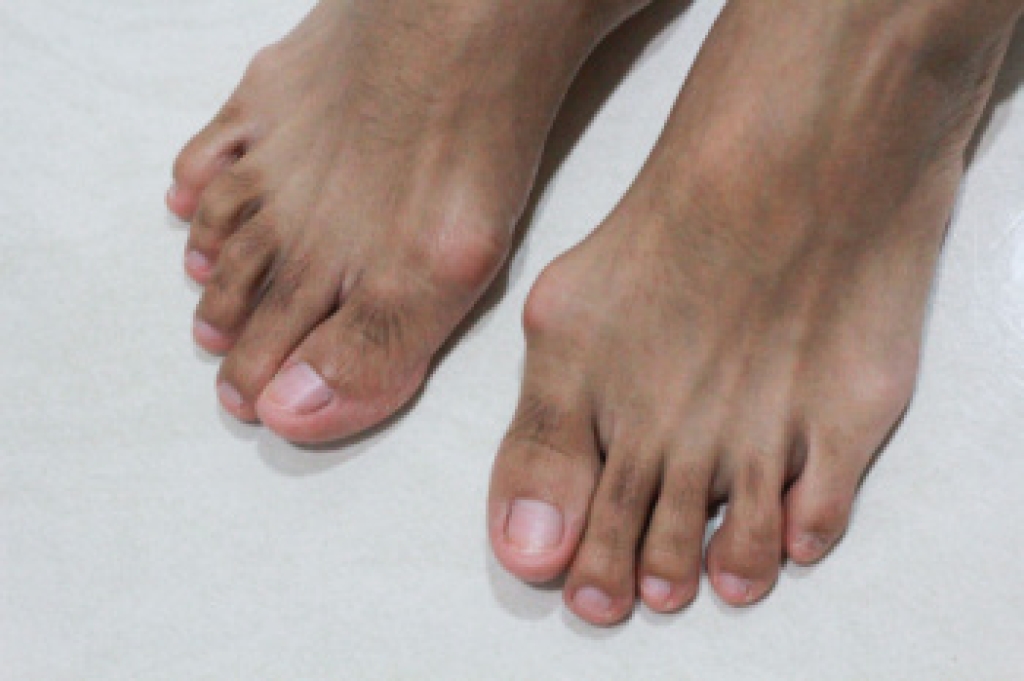
A bunion is a bony bump that forms along the inside of the foot at the base of the big toe. It develops as  the big toe begins to lean toward the smaller toes, causing the joint at its base to shift outward. Bunions often develop gradually and may become more noticeable over time. Common symptoms include pain, swelling, and redness around the affected joint. The big toe may also become stiff or difficult to move. Although some bunions cause little discomfort, others can make walking or wearing certain shoes painful. Changes in foot structure and family history can increase the likelihood of developing bunions.


As a bunion progresses, the changing position of the big toe can affect how pressure is distributed across the foot. This may lead to discomfort while walking and make the joint more sensitive to pressure from footwear. Some people develop hardened skin over the bunion or experience pain in nearby toes. Arthritis can also affect the big-toe joint and contribute to stiffness. Because bunions can worsen over time, persistent symptoms should be professionally evaluated. An examination can determine the severity of the deformity and identify other foot problems that may be contributing to pain or difficulty walking.


A podiatrist can evaluate a bunion by examining the foot, big-toe position, and joint movement. X-rays may be recommended to measure changes in alignment and assess the condition of the joint. Podiatric treatment depends on the severity of the bunion and how much it affects daily activities. Care may focus on reducing pressure, improving foot function, and managing discomfort. For severe bunions that continue to cause significant problems, surgery may be considered to correct the position of the toe. If bunion pain, swelling, or stiffness is making walking or wearing shoes uncomfortable, it is suggested that you consult a podiatrist for an evaluation and appropriate treatment options.

If you are suffering from bunion pain, contact one of our podiatrists of Ankle and Foot Centers of Missouri, P.C.. Our doctors can provide the care you need to keep you pain-free and on your feet.

What Is a Bunion?

Bunions are painful bony bumps that usually develop on the inside of the foot at the joint of the big toe. As the deformity increases over time, it may become painful to walk and wear shoes. Women are more likely to exacerbate existing bunions since they often wear tight, narrow shoes that shift their toes together. Bunion pain can be relieved by wearing wider shoes with enough room for the toes.

Causes

  • Genetics – some people inherit feet that are more prone to bunion development
  • Inflammatory Conditions - rheumatoid arthritis and polio may cause bunion development

Symptoms

  • Redness and inflammation
  • Pain and tenderness
  • Callus or corns on the bump
  • Restricted motion in the big toe

In order to diagnose your bunion, your podiatrist may ask about your medical history, symptoms, and general health. Your doctor might also order an x-ray to take a closer look at your feet. Nonsurgical treatment options include orthotics, padding, icing, changes in footwear, and medication. If nonsurgical treatments don’t alleviate your bunion pain, surgery may be necessary.

If you have any questions, please feel free to contact our offices located in Gladstone, MO, Albany, MO, Leavenworth, KS, Hiawatha, KS, and Liberty, MO . We offer the newest diagnostic and treatment technologies for all your foot care needs.

Read more about What Are Bunions?

Gout Pain Can Be Managed

Gout is a painful, inflammatory form of arthritis. Those affected will typically feel an intense stiffness in the joints of their feet, particularly in the big toe. Schedule a visit to learn about how gout can be managed and treated.

Types of Care for Diabetic Foot Ulcers

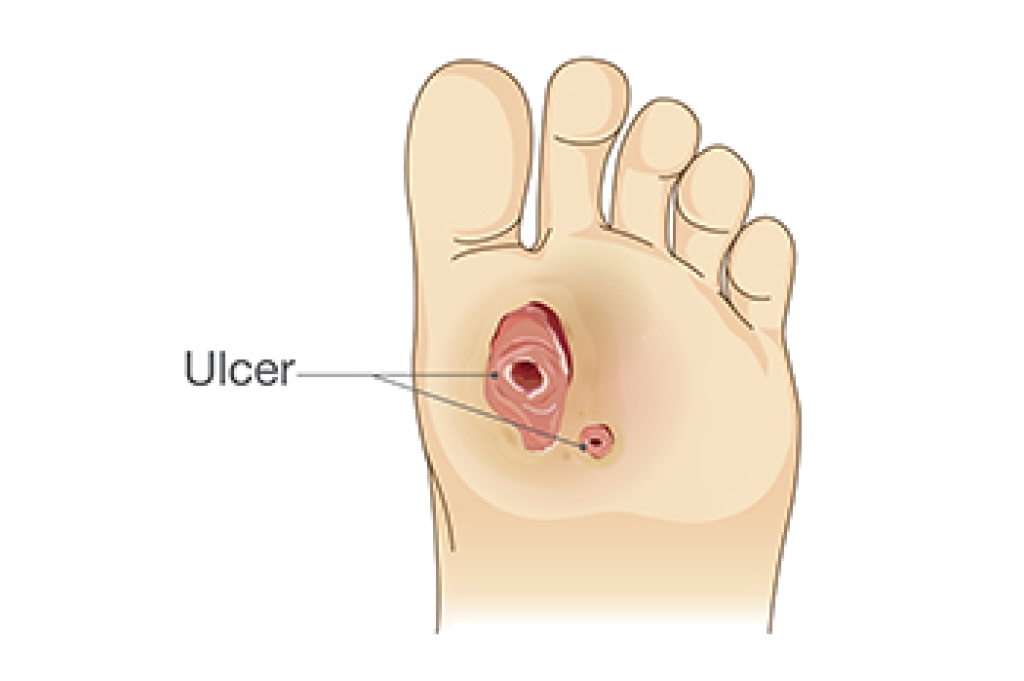
Diabetic foot ulcers are open sores that develop most often on the bottom of the foot. Diabetes can damage nerves, which reduces the ability to feel pain, heat, or pressure. A small cut or blister can then go unnoticed and become a deeper wound. Diabetes can also reduce blood flow, which slows healing and makes infection harder to fight. Warning signs include drainage, redness, and swelling. An unpleasant odor or darkened tissue can also signal a serious problem. Because pain may be absent, every wound deserves prompt medical attention.

Several factors raise the risk of developing an ulcer. Shoes that rub or fit poorly can create repeated pressure on one area. Calluses and changes in foot shape can also concentrate pressure against the skin. Poor circulation makes the skin more vulnerable and limits the body’s ability to repair damage. An untreated ulcer can spread beneath the skin and reach muscles or bones. Infection can then become severe and threaten the health of the foot. Early evaluation helps reduce the risk of tissue loss, hospitalization, and loss of limb.

A podiatrist can examine the wound, measure its depth, and check for signs of infection. The evaluation also includes testing sensation and blood flow in the feet. X-rays or other imaging tests can reveal whether the wound has reached the bone. Treatment focuses on removing damaged tissue, protecting the wound, and reducing pressure on the affected area. A podiatrist can apply specialized dressings and provide an off-loading device, which shifts weight away from the sore. Regular podiatric visits can identify pressure points before another ulcer forms. Surgery may be recommended for severe infection, dead tissue, or a foot deformity that prevents healing. If you have diabetes and have developed a foot ulcer, it is suggested that you are under the care of a podiatrist who can help you to manage this serious condition.

Diabetic foot care is important in preventing foot ailments such as ulcers. If you are suffering from diabetes or have any other concerns about your feet, contact one of our podiatrists from Ankle and Foot Centers of Missouri, P.C.. Our doctors can provide the care you need to keep you pain-free and on your feet.

Diabetic Foot Care

Diabetes affects millions of people every year. The condition can damage blood vessels in many parts of the body, especially the feet. Because of this, taking care of your feet is essential if you have diabetes, and having a podiatrist help monitor your foot health is highly recommended.

The Importance of Caring for Your Feet

  • Routinely inspect your feet for bruises or sores.
  • Wear socks that fit your feet comfortably.
  • Wear comfortable shoes that provide adequate support.

Patients with diabetes should have their doctor monitor their blood levels, as blood sugar levels play such a huge role in diabetic care. Monitoring these levels on a regular basis is highly advised.

It is always best to inform your healthcare professional of any concerns you may have regarding your feet, especially for diabetic patients. Early treatment and routine foot examinations are keys to maintaining proper health, especially because severe complications can arise if proper treatment is not applied.

If you have any questions, please feel free to contact our offices located in Gladstone, MO, Albany, MO, Leavenworth, KS, Hiawatha, KS, and Liberty, MO . We offer the newest diagnostic and treatment technologies for all your foot care needs.

Read more about How to Care for Diabetic Foot

Foot Health Concerns in Older Adults and How They Affect Mobility

Foot problems in older adults are common and can significantly impact mobility and quality of life. As the body ages, natural changes in skin, joints, and circulation increase the risk of developing foot conditions. Elderly foot problems often include corns, toenail disorders, and hammertoe deformities. These conditions may seem minor at first but can lead to pain, instability, and reduced independence if not addressed early.

Symptoms vary depending on the condition but often include pain, swelling, and visible deformities. Corns appear as thickened areas of skin caused by repeated pressure or friction. Toenail disorders may include thickened, discolored, or brittle nails that are difficult to manage. Bunions present as a bony bump at the base of the big toe, while hammertoe involves an abnormal bending of the smaller toes. Weakness, frailty, and balance difficulties are also common, increasing the risk of falls.


Risk factors include aging-related joint changes, reduced muscle strength, and poor circulation. Wearing ill- fitting shoes can worsen pressure points and contribute to deformities. Chronic conditions like arthritis and diabetes may further impact foot health. Limited flexibility and decreased sensation can make it harder to detect early signs of injury or irritation, allowing problems to progress. Preventive care and early treatment are essential for maintaining mobility. Wearing properly fitted, supportive shoes reduces pressure and improves balance. Regular foot inspections help identify changes before they worsen. Routine nail care and skin maintenance are also important. Strengthening and balance exercises can improve stability and reduce fall risk. If you are elderly and have developed foot problems, it is suggested that you consult a podiatrist for an accurate diagnosis and appropriate treatment.

If you need your feet checked, contact one of our podiatrists of Ankle and Foot Centers of Missouri, P.C.. Our doctors will attend to all of your foot and ankle needs and provide you with quality treatment.

Geriatrics and Podiatry
When people age, some common issues that may occur are bone density loss, dry skin, poor circulation, and rough brittle nails. These issues may also affect your foot health if the necessary steps are not taken to alleviate the problems.

It is important to take care of your feet because feet that are injured or diseased can affect your overall health. Having painful feet hinders your ability to do daily activities or may decrease your willingness to do the things that you need to do.

Visiting Your Geriatrician
As we age, health problems become more likely, so it is essential to visit your doctor for check-ups to ensure that you are doing the best you can to take care of your health. It is recommended to check your feet frequently for any possible cuts, bruises, swelling, corns or any other irregularities. 

Taking Care of Elderly Feet
Cracked or dry feet can be treated by applying moisturizer often. It is also important not to wear old socks because the older the sock is, the higher the possibility there will be that there is bacteria there. Wear fresh socks and make sure they fit properly.

Proper foot health means that you can have a more active lifestyle and you will not be bogged down by pain. Foot health also leads to good circulation, which is paramount for overall health.

If you have any questions, please feel free to contact our offices located in Gladstone, MO, Albany, MO, Leavenworth, KS, Hiawatha, KS, and Liberty, MO . We offer the newest diagnostic and treatment technologies for all your foot care needs.

Read more about Geriatrics and Podiatry

Connect With Us

scroll to top